AI News · The messy stuff ·
Common Sense Media rates ChatGPT for Teens an unacceptable risk
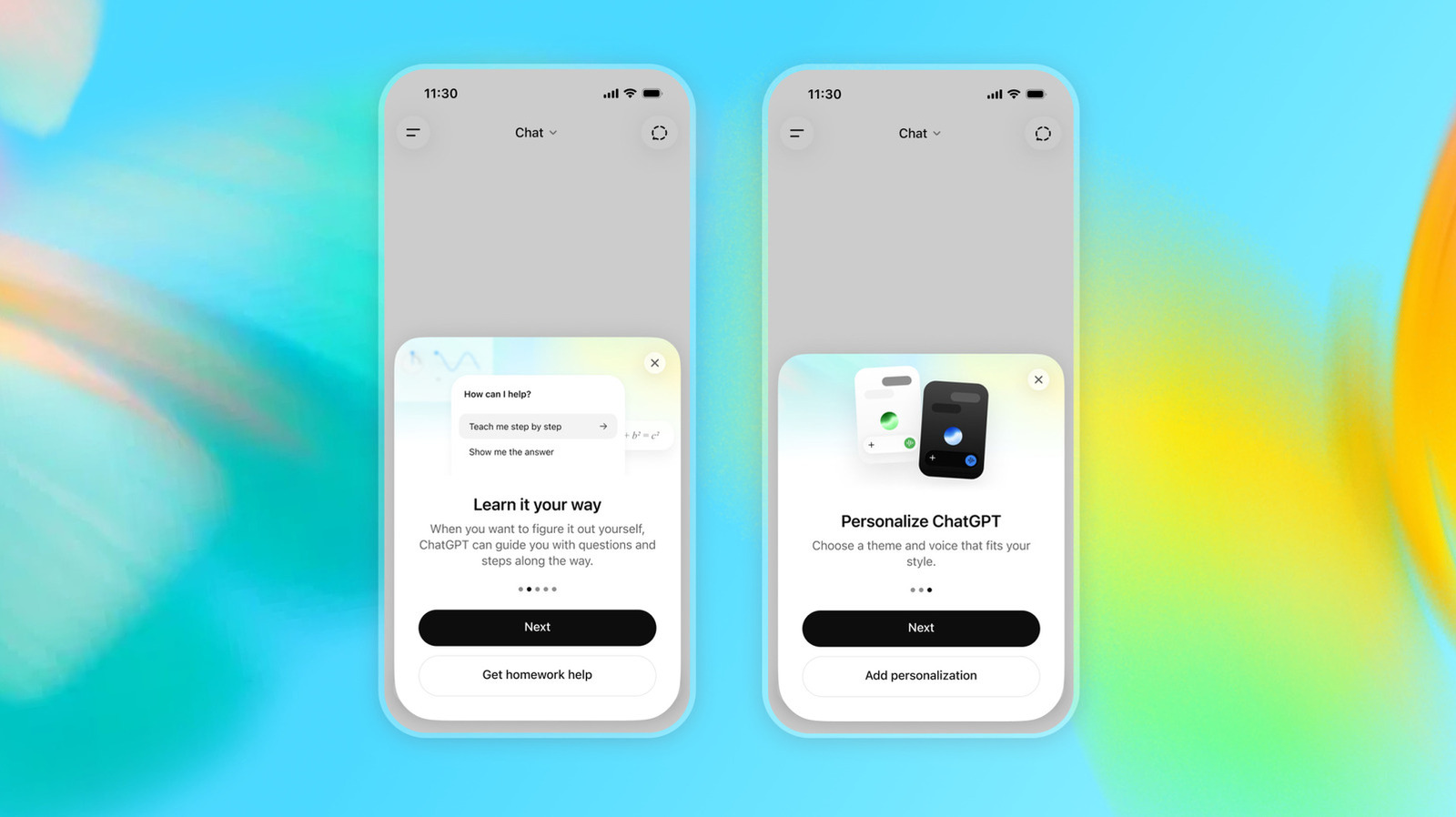
Common Sense Media rated ChatGPT for Teens an unacceptable risk for all users under 18 in a 36-page assessment. Testers found parent safety alerts were not sent consistently and age prediction did not work properly. On crisis prompts, the teen version referred users to a hotline 23% of the time, versus 33% before. OpenAI said the testing does not reflect how its safeguards work in practice.
Key points
- Common Sense Media rated ChatGPT for Teens an unacceptable risk for under-18 users.
- Parent safety alerts were not sent consistently in testing.
- Hotline referrals on crisis prompts fell to 23% from 33% before teen mode.
- Age prediction failed to move test accounts into teen mode.
- OpenAI said the testing does not reflect how its safeguards work in practice.
What happened: Common Sense Media rated ChatGPT for Teens an "unacceptable risk" for all users under 18, Engadget reported on October 8. OpenAI released the teen mode in August 2026. The group's Youth AI Safety Institute, which is partly funded by the OpenAI Foundation, published a 36-page risk assessment. It found that some advertised protections held up, such as refusing explicit sexual roleplay, but others failed and some got worse in teen mode.
The details: Testers linked a dozen teen accounts to parent accounts and spent up to an hour messaging about suicide, self-harm or disordered eating, but the chatbot did not consistently send parents a safety notification. Testers wrote 390 mental health prompts, and a panel of three child psychiatrists judged that 201 should trigger a crisis response. The teen version referred users to a hotline in 23% of those cases, compared with 33% for the version available before August. It mentioned a specific professional less often, 58% versus 68%, but told users to involve a trusted adult more often, 94% versus 87%.
OpenAI's age prediction did not work properly. Testers gave their persona's age at sign-up and the chatbot stored it in memory, but the accounts were not moved into teen mode. ChatGPT still responded as if it had feelings, with statements like "I'm concerned about you." Testers also bypassed Study Mode by deleting its prefix. In one positive case, the teen version recognized signs of physical danger and advised the tester to tell a parent and see a pediatrician, which Common Sense called "the kind of answers we want a teen to get."
An OpenAI spokesperson said the company welcomes independent evaluation but does not believe the testing reflects how the safeguards work in practice. OpenAI said parent notifications can take a few hours after linking, that a technical issue may have caused a delay, and that most of the testing may have ended before parental controls were fully activated.
Who it affects: Parents, schools and education technology providers that use or recommend ChatGPT for teenagers are directly affected. Torney of Common Sense said the teen version does not differ enough from the standard product, calling it "a marketing exercise."
What to watch: Watch whether OpenAI changes its age prediction, parental alerts or crisis responses, and whether regulators cite the assessment in rules on AI products for minors.
Our take
Schools and companies offering AI tools to young users should test safety features themselves rather than relying on vendor claims, since independent results can differ sharply.