AI News · Hot news ·
Malaysia plans its first dedicated AI law for early 2027
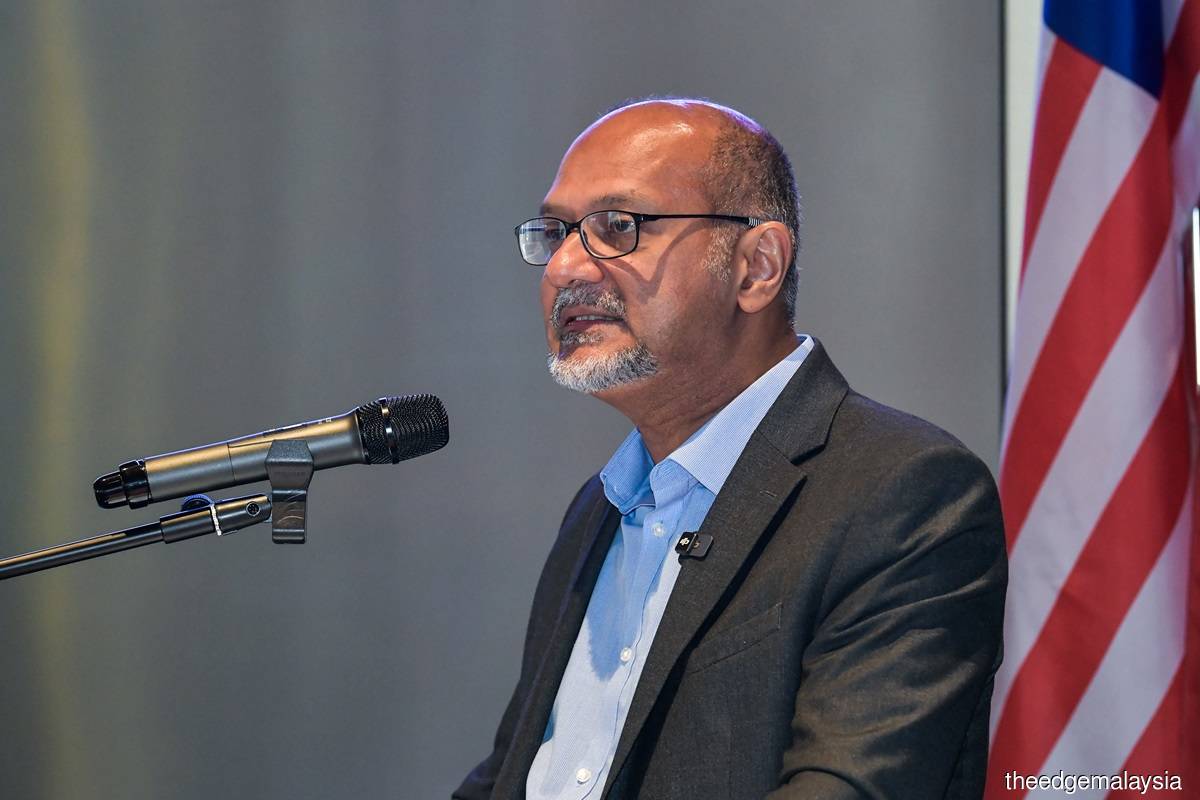
Malaysia plans to introduce its first dedicated artificial intelligence law in early 2027. Digital Minister Gobind Singh Deo told Parliament that the government is drafting an AI Act based on a risk-based approach. It is also developing mechanisms to enforce rules governing the technology.
Key points
- Malaysia plans to table its AI Governance Bill in Parliament in early 2027.
- Proposed controls would reflect an AI system’s potential harm, not solely its industry’s risk classification.
- The bill is intended to complement existing sectoral laws.
- The Malaysia AI Safety Institute’s responsibilities include safety benchmarks, risk assessments and incident reporting.
- Specific risk thresholds, compliance deadlines, penalties and an implementation date were not reported.
What happened: Malaysia plans to table its first dedicated artificial intelligence law in Parliament in early 2027, setting out a framework for governing the technology across sectors. The Edge Malaysia reported that Digital Minister Gobind Singh Deo outlined the planned AI Governance Bill during parliamentary questions on October 5. The bill will cover safety, human rights and individual welfare. The announced timetable concerns its introduction in Parliament, not when its requirements would take effect.
The details: Gobind said the government is drafting the bill using a risk-based approach. The level of control and obligation would be assessed according to the potential harm of an AI system, rather than solely by an industry’s risk classification. For businesses, that distinction makes the particular system and its potential effects central to the proposed framework. Gobind described the bill as applying across all sectors while complementing existing sectoral laws, rather than replacing them.
Background: The minister was responding to a parliamentary question about calls to slow AI development until regulation, ethics and worker protection plans are ready. He said technological development must proceed alongside stronger capacity to control its risks. For increasingly powerful or autonomous AI systems, and those capable of significantly affecting people or critical systems, he called for stronger safety controls, testing, monitoring, human oversight and response mechanisms before their use expands. Safety would remain the priority, he said.
Who it affects: The cross-sector approach makes the proposal relevant to organisations deploying AI throughout Malaysia, not just businesses in a particular industry. Gobind also said the Ministry of Digital and AI Malaysia Berhad have established the Malaysia AI Safety Institute to study a clear, systematic mechanism for regulating AI models in organisational operations across sectors. Its governance responsibilities include safety benchmarks, risk assessments and incident reporting to support corrective action. These responsibilities identify areas of focus, but do not establish the bill’s detailed obligations for businesses.
What to watch: Teams deploying AI in Malaysia can prepare by assessing the risks of their uses and documenting governance arrangements, while awaiting the proposed requirements. Those are preparatory steps, not confirmed legal duties under the planned bill. Specific risk thresholds, compliance deadlines, penalties and an implementation date were not reported. The next milestone to watch is the bill’s planned tabling in early 2027, when businesses will need to examine how its cross-sector framework would interact with the laws already governing their operations.
Our take
Teams deploying AI in Malaysia should prepare to assess use-case risks and document governance, while watching for the bill's specific requirements.