AI News · The messy stuff ·
Morgan Stanley warns power shortages could delay US AI deployments
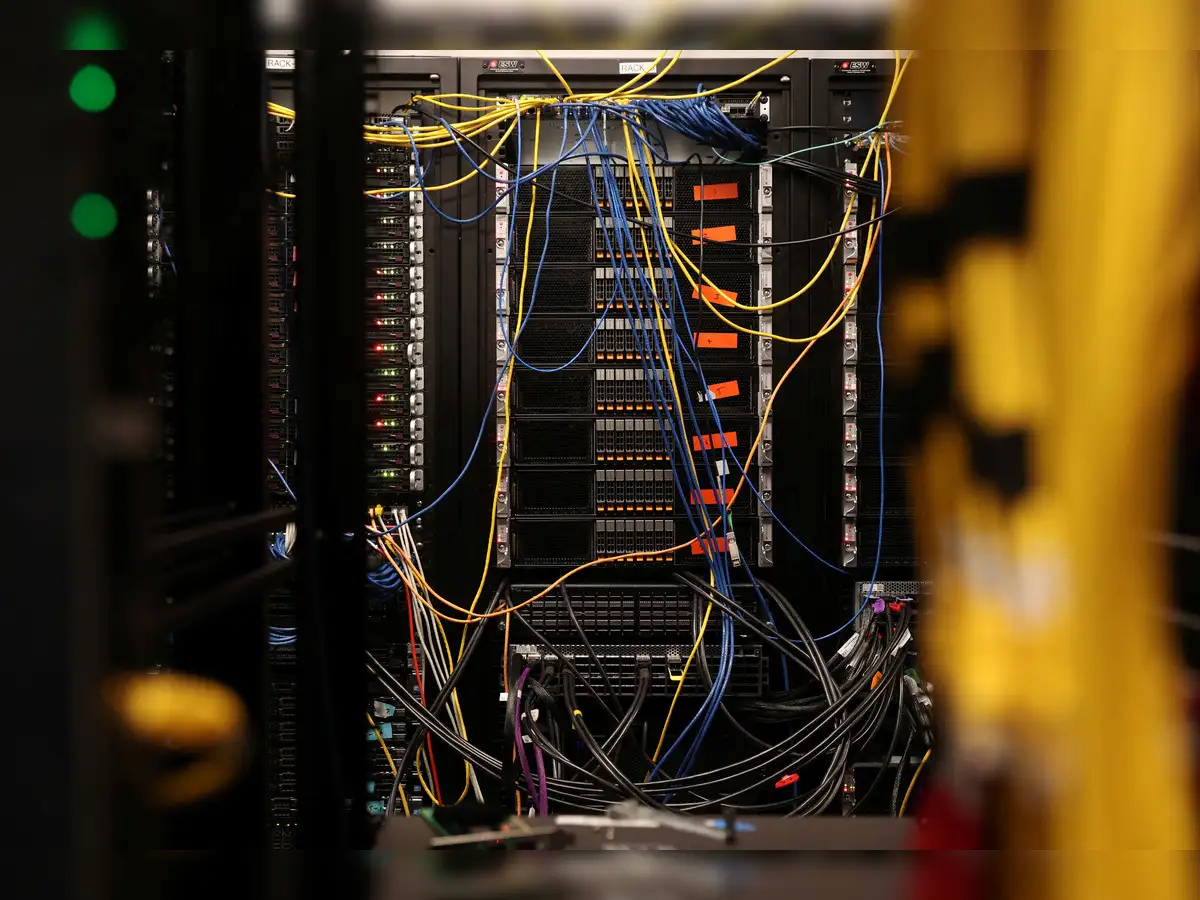
Morgan Stanley said a worsening US data-center power shortage could delay AI deployments and affect memory, optical and other secondary chip suppliers. The brokerage sees Nvidia and Broadcom as relatively insulated. Its estimate from last month puts the net power shortfall through 2028 at 32 gigawatts, or 34%, even after accounting for measures including on-site generation and fuel cells.
Key points
- Morgan Stanley estimates a 32-gigawatt net US data-center power shortfall through 2028, even after mitigation measures.
- The brokerage does not see power bottlenecks putting Nvidia’s or Broadcom’s 2027 forecasts at risk.
- Memory, optical, power-management and analog components face greater exposure to delivery delays, cancellations and inventory disruption.
- Teams procuring dedicated AI capacity should scrutinize power commitments alongside hardware availability and delivery timelines.
What happened: Morgan Stanley warned that a worsening US data-center power shortage could delay AI deployments and disrupt parts of the semiconductor supply chain, Reuters reported. The brokerage sees Nvidia and Broadcom as relatively insulated, but says makers of memory, optical and other supporting chip components face greater exposure. For businesses buying AI computing capacity, the warning highlights a planning constraint beyond access to chips: whether the facilities housing them have enough electricity to operate.
The details: Morgan Stanley estimated last month that US data-center developers face a net power shortfall of 32 gigawatts, or 34%, through 2028. That estimate already accounts for measures including fuel cells and power generated directly at data-center sites. Those measures therefore do not eliminate the gap in the brokerage’s assessment. The AI boom has triggered billions of dollars in data-center investment, Reuters reported, but generative AI’s large computing and electricity requirements are increasingly running into US power supply constraints.
Who it affects: The brokerage said it does not see those bottlenecks putting Nvidia’s or Broadcom’s 2027 forecasts at risk. It cited visibility into where chips will be deployed, geographic expansion, and coordination among data centers, semiconductor suppliers and the power industry. Benzinga reported that this flexibility could allow Nvidia to direct scarce GPUs to projects with available power when another facility is delayed. Suppliers tied more closely to a particular project may have less flexibility, leaving the effects unevenly distributed across the chip industry.
The details: If customers cannot deploy chip capacity, they could postpone deliveries or cancel orders, Morgan Stanley said. Memory, optical, power-management and analog components are the categories most exposed to inventory disruption. The distinction is between demand for equipment and the timing of its installation: a power-related delay can change when customers accept components without necessarily removing their eventual need for them. Reuters also reported that Morgan Stanley sees labor and political challenges alongside power constraints, while Goldman Sachs expects political pushback to have limited near-term effects.
What to watch: For teams procuring dedicated AI capacity, the practical question is whether delivery timelines are supported by credible power commitments, not just equipment availability. Procurement reviews should examine both the planned availability of computing hardware and the electricity needed to use it. The reporting did not identify which individual AI deployments would be delayed or quantify the resulting disruption for component suppliers. Morgan Stanley’s assessment is a warning about potential delays and order changes, rather than a report of specific customer cancellations.
Our take
AI infrastructure planning needs to account for power availability, not just accelerator supply. Teams procuring dedicated capacity should scrutinize delivery timelines and power commitments.