AI News · Good news ·
NetworkOcean tests floating solar power for an Nvidia H100 in San Francisco Bay
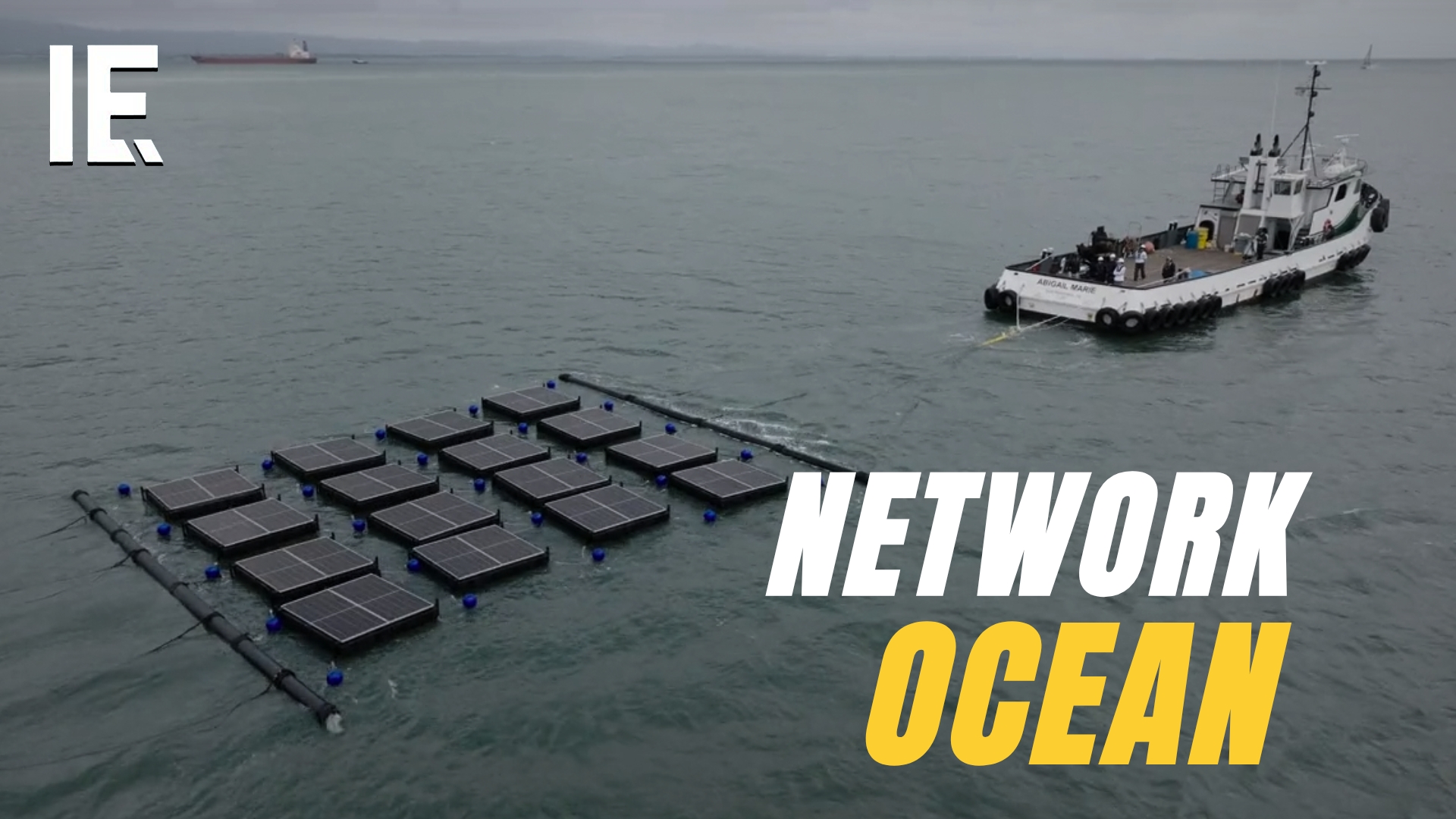
NetworkOcean has deployed OASIS-00, a floating solar test array in San Francisco Bay near the Bay Bridge. Its sixteen floats form a four-by-four grid with 20 kilowatts of solar capacity. The array powers an Nvidia H100 GPU housed in a data center container aboard a support vessel.
Key points
- NetworkOcean deployed OASIS-00 near the Bay Bridge in San Francisco Bay.
- Sixteen floats form a four-by-four solar array with 20 kilowatts of capacity.
- The array powers an Nvidia H100 housed in a data center container aboard a support vessel.
- Reliability results, electricity costs and larger deployment plans were not reported.
What happened: NetworkOcean has deployed OASIS-00, a floating solar test array in San Francisco Bay near the Bay Bridge, Interesting Engineering reported. The installation powers an Nvidia H100 GPU housed in a data center container aboard a support vessel. It is a small-scale test of an alternative power source for AI computing, rather than evidence of production-scale offshore computing capacity.
The details: The array consists of sixteen floats arranged in a four-by-four grid, with 20 kilowatts of solar capacity. The solar equipment sits on the floating array, while the computing hardware is housed aboard the vessel. That distinction matters: the deployment is testing a floating power supply for the H100, not placing the processor directly on a solar float. Actual electricity generation, the GPU’s power consumption and the computing workload being run were not reported.
Who it affects: For business teams evaluating AI infrastructure, the relevant development is the test of a different way to power computing equipment. The reported setup is limited to an H100 in a vessel-based container. It does not establish how a larger installation would perform or what electricity from such a system would cost. Commercial availability and plans for a larger deployment were not reported.
What to watch: Reliability and scaling are the important next questions. Operating results showing how consistently the array powers the computing equipment were not reported. Details about energy storage, backup power and operation when sunlight is unavailable were also not reported. Without those details, OASIS-00 is best understood as an early test, not a demonstrated replacement for the power arrangements used by larger AI computing facilities.
Our take
This is a small-scale test of an alternative power source for AI computing, not evidence of production-scale offshore capacity. Reliability and scaling will be the important next questions.